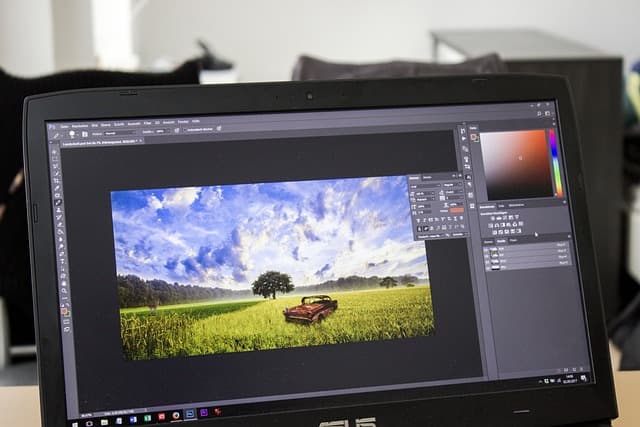
The future of video editing and augmented reality (AR) is closely linked to the development of automation and artificial intelligence. Today, creating professional video or AR content requires considerable effort: editing, color correction, image stabilization, applying effects, and integrating 3D objects—all of which traditionally require high skills and a lot of time. With the development of AI and automation, these processes are becoming easier, faster, and more accessible to both professionals and amateurs.
Artificial intelligence is already capable of analyzing video footage, recognizing objects, faces, camera movement, and sound. This allows many routine tasks to be automated. For example, AI can automatically select the best shots, eliminate camera shake, adjust the color palette, and even cut out noise or unnecessary elements. In AR scenes, machine vision algorithms help to accurately integrate virtual objects into the real world, taking into account lighting, perspective, and camera movement, which previously required careful manual adjustment.
The automation of video editing is also transforming the process of creating content for social media and marketing. Today, there are tools that can automatically select video clips, synchronize them with music, add effects and titles, and create a finished video in minutes. This allows marketers and bloggers to speed up content production by focusing on the creative concept rather than the technical details of editing.
In the field of augmented reality, automation opens up new possibilities for interactive content. AI can automatically recognize surfaces, faces, and objects so that virtual elements interact correctly with the surrounding world. This simplifies the creation of AR applications, games, and educational platforms, allowing developers to focus on scenarios and design rather than technical limitations.
One of the key areas of development is generative video. New AI models are capable of creating video content based on text descriptions, storyboards, or even sketches. Combined with AR, this allows interactive scenes to be created with virtually no human involvement, reducing development time and expanding creative possibilities. For example, you can generate a virtual scene for a marketing campaign or educational AR application in just a few minutes, instead of days or weeks of work by a traditional team.
Automation technologies are also improving the accessibility of professional video editing. Previously, high-quality editing and AR integration required expensive software and highly skilled specialists. Today, cloud platforms with AI tools allow any user to edit videos, add effects, and create AR scenes directly through a web interface or mobile app. This makes video content and AR interactivity accessible to small businesses, educational institutions, and creative enthusiasts.
However, automation does not completely replace humans. Creative concepts, emotional presentation, and unique style remain the domain of humans. AI and automation act as intelligent assistants: they speed up routine processes, remove technical barriers, and help you focus on creativity.
The future of video editing and AR is linked to the integration of AI at all stages of production: from automatic video post-processing and effects generation to intelligent adaptation of content to the audience. We can expect to see tools that not only speed up the process of creating video and AR, but also offer new formats for interactive and personalized content that were previously unavailable without large teams and budgets.
As a result, automation and artificial intelligence are radically changing the approach to video editing and AR. They make content creation faster, more accessible, and more flexible, opening up new opportunities for creativity and interactive engagement. In the coming years, this trend will only intensify, creating a whole new level of multimedia content production where the boundaries between the real and virtual worlds are blurred.